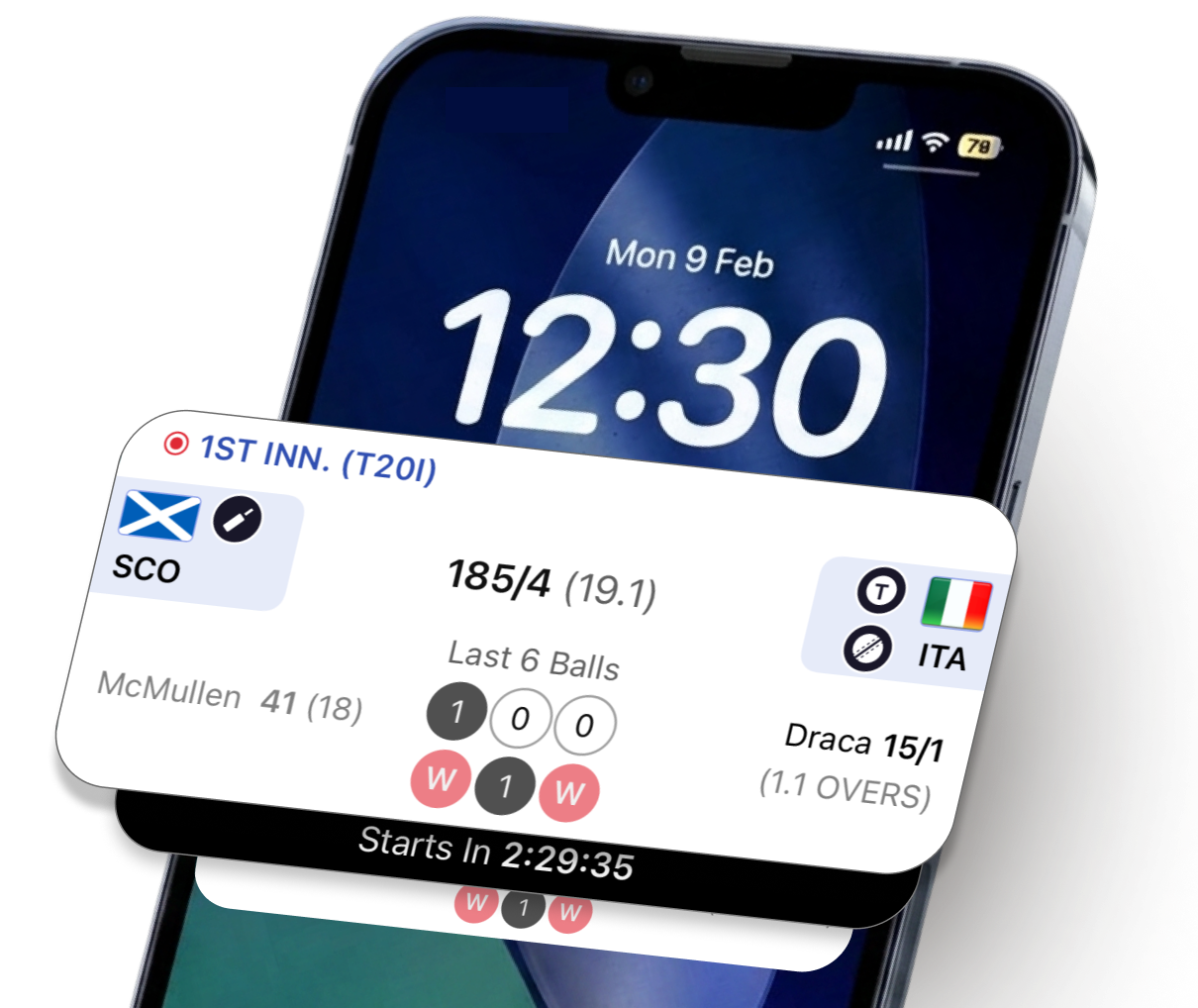
After every international, the ICC match referee rates the pitch and the outfield separately. Only two ratings carry a penalty: unsatisfactory earns one demerit point, unfit earns three. Points stay on a venue for five years. Six points bring a 12-month hosting ban, twelve points a 24-month ban. Boards have 14 days to appeal.
Key takeaways
- The ICC uses four pitch ratings — very good, satisfactory, unsatisfactory and unfit — after cutting the scale from six categories in 2023.
- An unsatisfactory rating carries one demerit point and an unfit rating carries three; the other two ratings carry none.
- Demerit points stay active for a rolling five-year period, with six points triggering a 12-month hosting suspension and twelve points a 24-month one.
- The outfield is rated separately from the pitch and can be sanctioned on its own, as Green Park in Kanpur was in 2024 while its pitch passed.
- A board has 14 days to appeal a substandard rating, and appeals succeed: the ICC rescinded Gaddafi Stadium’s demerit point on 20 August 2026.
Every international match has an ICC match referee sitting above it, and when the match ends that referee files two ratings: one for the pitch, one for the outfield. Most of the time nobody outside the host board reads them. When a Test finishes inside two days, everybody does.
That is roughly where the Mackay Test has landed. Australia beat Bangladesh by an innings and 51 runs in the second Test, which finished on 23 August 2026, Bangladesh dismissed for 64 and 95 either side of Australia's 210, with Mitchell Starc taking 10 for 51. As at 24 August 2026 no ICC rating for that surface had been published.
So it is worth knowing what the referee is actually about to mark, and what happens to a ground that keeps getting it wrong.
What is the ICC actually rating after a match?
The ICC's Pitch and Outfield Monitoring Process puts the judgement with the match referee, who marks the surface once play has ended. The governing body describes the ratings in deliberately low-key terms: they are provided as feedback to host member boards to help with future preparation, not as a punishment in themselves.
Two things are marked, separately. The pitch is one. The outfield is the other, and it can be sanctioned on its own — drainage, recovery and surface quality are judged whether or not the pitch behaved.
In the ICC's own wording, a pitch or outfield is substandard "if it receives a rating of unsatisfactory or unfit". Those are the only two ratings that carry a penalty.

The referee is not marking difficulty. A pitch can be extremely hard to bat on and still pass. What is being assessed is balance — whether bat and ball were given a fair contest over the course of the match.
What are the four ratings, and which ones hurt?
The ICC revamped the scale in 2023, cutting it from six categories to four: very good, satisfactory, unsatisfactory and unfit.
| Rating | Substandard? | Demerit points |
|---|---|---|
| Very good | No | 0 |
| Satisfactory | No | 0 |
| Unsatisfactory | Yes | 1 |
| Unfit | Yes | 3 |
The two passing grades cover an enormous range. In the ICC's ratings for the 2024-25 Border-Gavaskar series, Perth, Adelaide, the Gabba and the MCG were all rated very good, and Sydney satisfactory — five Tests, five clean sheets, on surfaces that behaved very differently from one another.
How long do demerit points last, and what do they trigger?
This is the part that gives the ratings teeth. The ICC's standard wording, repeated on every substandard rating it publishes, sets it out plainly:
"Demerit points will remain active for a rolling five-year period. When a venue accumulates six demerit points (or crosses that threshold), it will be suspended from hosting any international cricket for a period of 12 months, while a venue will be suspended from staging any international cricket for 24 months when it reaches the threshold of 12 demerit points."
Put those numbers together and the practical bar is high. An unsatisfactory rating is worth one point, so a ground would need six of them inside five years — six separate internationals judged to have tilted the contest — before it lost its hosting rights for a year. Points drop off the record as they age out of the window.
Can a board argue back?
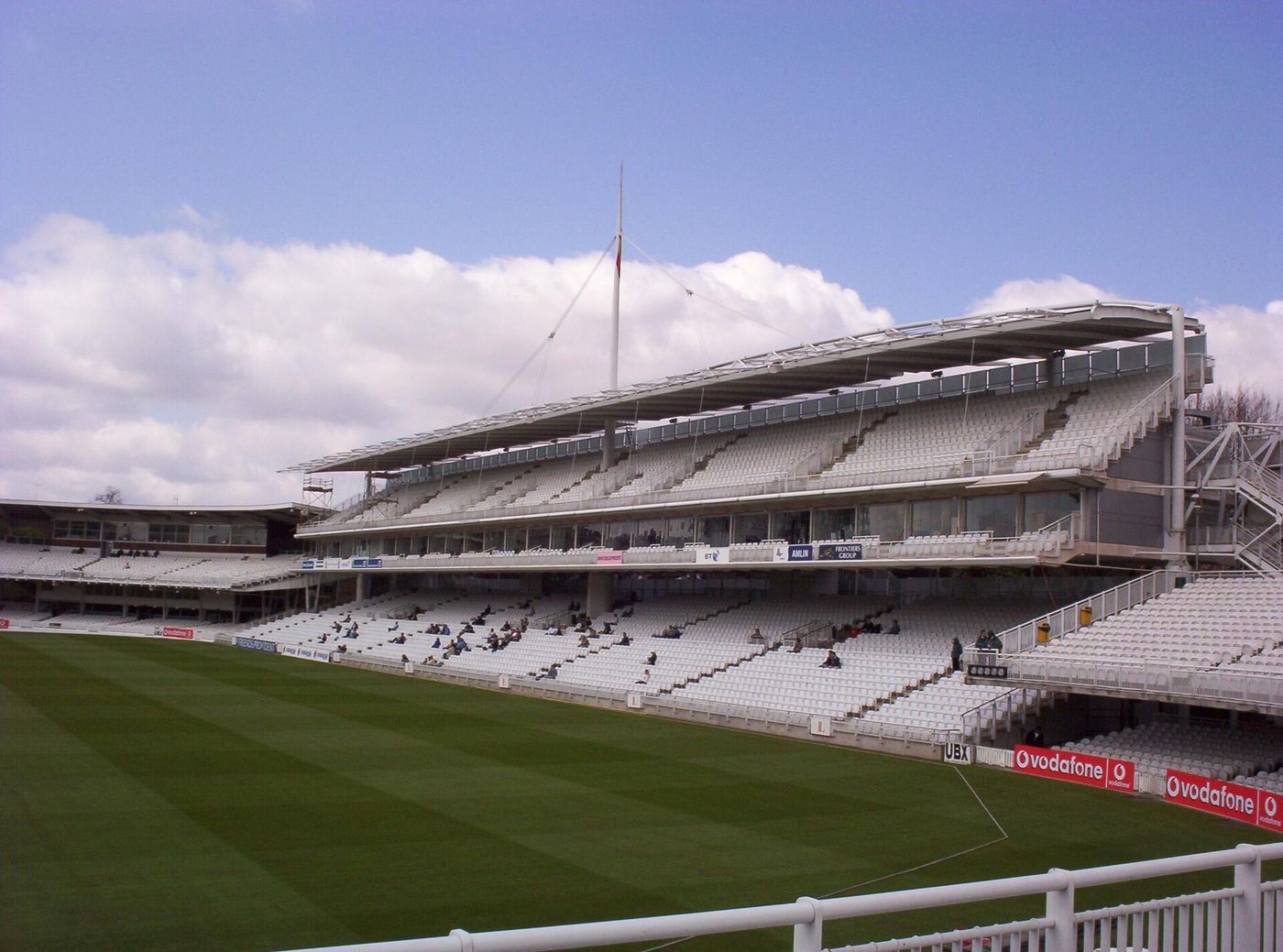
Yes, and the appeal is not decorative. A board has 14 days from a substandard rating to appeal it.
Gaddafi Stadium in Lahore is the clearest recent example. The pitch for the third ODI between Pakistan and Australia on 4 June 2026 was rated unsatisfactory by match referee Graeme La Brooy, who found it "slow and low", said it "made scoring runs very difficult" and that it "helped spin very early in the match and continued the same way throughout". One demerit point followed.
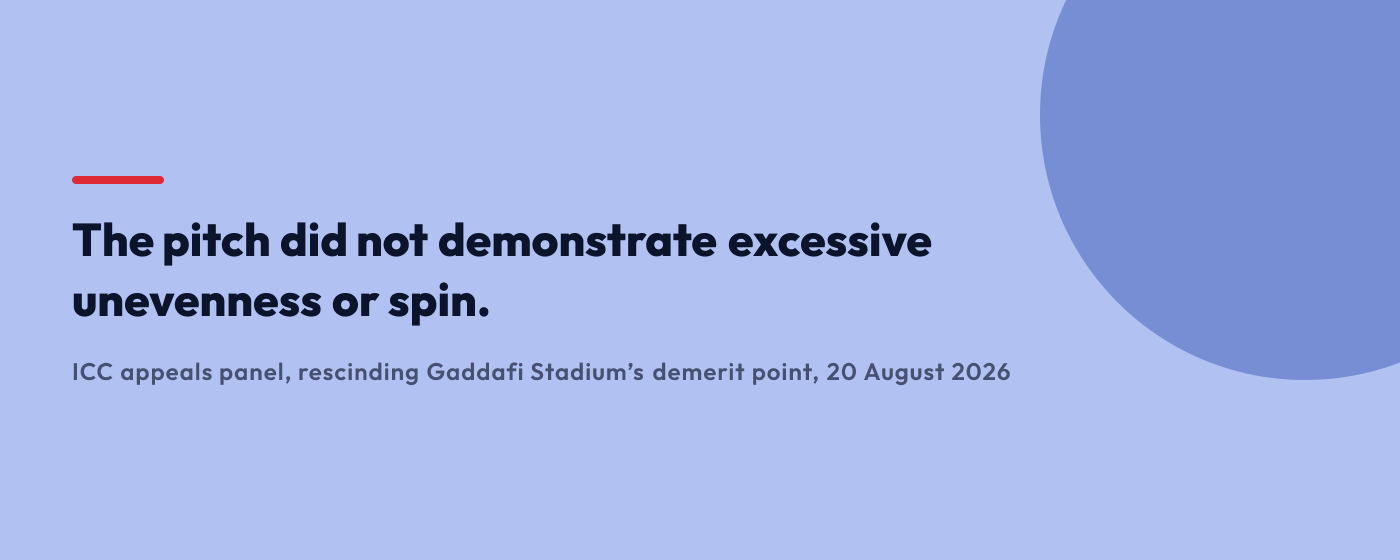
The Pakistan Cricket Board appealed. On 20 August 2026 the ICC rescinded the point, the appeals panel concluding that the pitch had not shown excessive unevenness or spin — leaving Gaddafi Stadium back on zero.
Has the system always worked this way?
No, and the change matters if you are comparing an old sanction with a new one. Before the November 2023 revision the scale ran to six categories and the arithmetic was different.
| Before the 2023 revision | Current system | |
|---|---|---|
| Categories | Very Good, Good, Average, Below Average, Poor, Unfit | Very Good, Satisfactory, Unsatisfactory, Unfit |
| 1 demerit point | Below Average | Unsatisfactory |
| 3 demerit points | Poor | Unfit |
| 5 demerit points | Unfit | — |
| 12-month suspension at | 5 points | 6 points |
| 24-month suspension at | 10 points | 12 points |
The old top penalty is why the Indore Test of March 2023 still stands out. Match referee Chris Broad rated the Holkar Stadium pitch poor for the third Test between India and Australia, finding it "did not provide a balance between bat and ball, favouring spinners from the start", with "excessive and uneven bounce throughout the match". That was three demerit points in one match — under a system where five triggered a ban.
Does a short match automatically mean a bad pitch?
It does not, and two recent Tests show why the question is worth asking.
The fourth Ashes Test at the MCG in December 2025 ended inside two days and was rated unsatisfactory. Match referee Jeff Crowe was specific about what tipped it: "The MCG pitch was too much in favour of the bowlers. With 20 wickets falling on the first day, 16 on the second day and no batter even reaching a half-century, the pitch was 'Unsatisfactory' as per the guidelines."
Six weeks earlier, at Eden Gardens, South Africa beat India by 30 runs in a Test that lasted three days. South Africa made 159 and 153, India 189 and 93 chasing 124. Neither side passed 200 in any innings. That pitch was rated satisfactory.
The difference is not the length of the match — it is the referee's reading of whether the surface, rather than the bowling, did the work. Reasonable people disagree about where that line sits, which is exactly why the ratings get argued over.
Is the outfield really judged on its own?
It is, and Kanpur is the case that proves it. In the second Test between India and Bangladesh in September 2024, only 35 overs were possible on the first day and none at all on days two and three. The outfield was rated unsatisfactory and Green Park picked up a demerit point. The pitch, on the same ground in the same match, was rated satisfactory.
The same applies well below Test level. In June 2026 the Maple Leaf Cricket Club at King City, Toronto, was given one demerit point after a Men's Cricket World Cup League 2 match between the United States and the Netherlands, referee Phil Thompson finding the inconsistent bounce "created challenging and potentially unsafe playing conditions".
Are subcontinent pitches marked more harshly?
This is the accusation that surfaces every time a spinning track is downgraded, and there is at least some published evidence behind it — with an important caveat about which era it covers.
A Wisden analysis published in January 2024 looked at 171 Tests from 24 July 2019 and identified 68 played on surfaces with extreme bowling strike rates. Of those 68, 30 were rated average or worse and 38 were rated good or very good. Its finding was that "nearly one-third more pitches in SENA countries received 'Good' or 'Very Good' ratings" despite producing similarly extreme conditions.
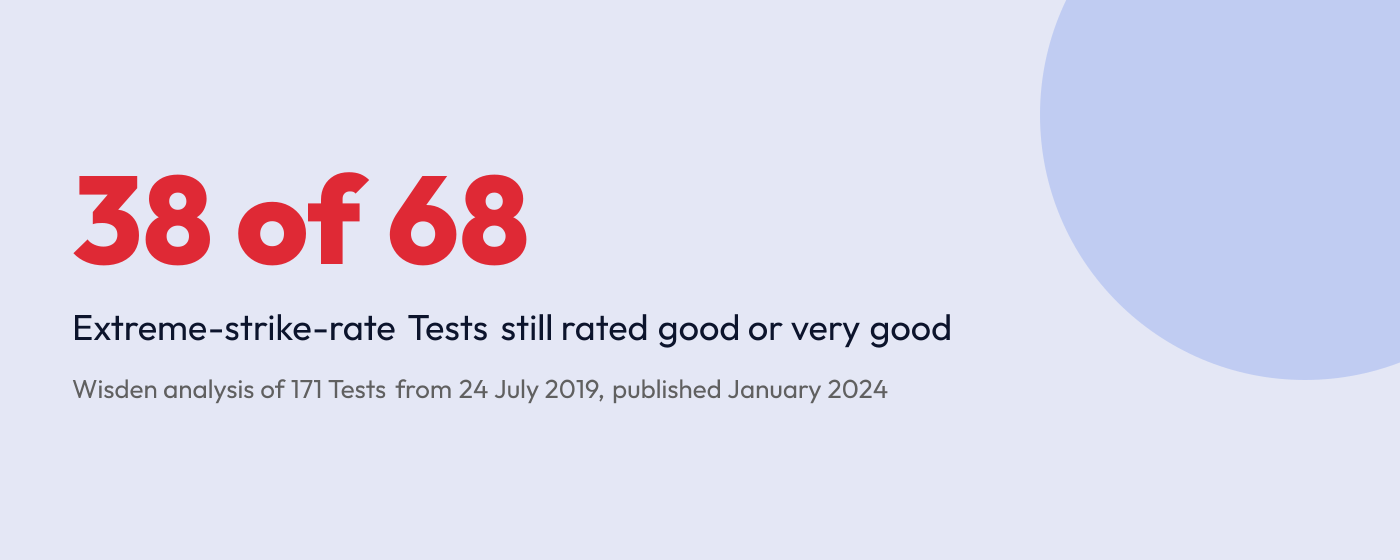
The explanation Wisden offered is procedural rather than conspiratorial: the guidelines reward a surface that offers early seam movement and then turns gradually, which is closer to how a SENA pitch behaves than a subcontinental one that starts turning almost immediately. Note that those ratings use the old six-category names, because most of that period predates the 2023 revision.
What happens next at Mackay?
The referee's rating comes after the match, and if it is unsatisfactory or unfit, Cricket Australia gets 14 days to decide whether to appeal. Until then there is no sanction to discuss. The rest of the tour, and where this series sits, is on the match schedule and the series pages.
If you want to judge a surface for yourself, the ball-by-ball detail on live scores is more useful than the highlights — wickets clustered in the first hour of a Test read very differently from wickets that arrive on the fourth afternoon. The ICC rankings will tell you what the result did to the sides involved; they will not tell you anything about the pitch it was played on.
Ratings, demerit-point totals and thresholds in this post are as at 24 August 2026.
Frequently asked questions
The ICC match referee appointed to the match makes the assessment, and files it once play has ended. The rating goes to the host member board as feedback on preparation. Where the rating is unsatisfactory or unfit, it also carries a formal sanction in demerit points, which the board may appeal within 14 days.
One demerit point for a pitch or outfield rated unsatisfactory, and three for one rated unfit. Ratings of very good and satisfactory carry no points at all. The points attach to the venue rather than the groundstaff or the board, and they remain on the venue’s record for a rolling five-year period.
Six demerit points inside the rolling five-year window suspend a venue from hosting any international cricket for 12 months. Twelve points bring a 24-month suspension. Because an unsatisfactory rating is worth only one point, a ground would need six substandard internationals in five years to reach the first threshold.
Yes. The match referee files a rating for each, and either can be judged substandard on its own. In the second Test between India and Bangladesh at Kanpur in September 2024, the outfield was rated unsatisfactory and earned a demerit point after more than two days were lost, while the pitch for the same match was rated satisfactory.
Not automatically. The referee judges the balance between bat and ball, not the length of the match. The MCG pitch that produced a two-day Ashes Test in December 2025 was rated unsatisfactory, but the Eden Gardens pitch on which no side passed 200 in a three-day Test in November 2025 was rated satisfactory.
Yes, within 14 days of a substandard rating. Appeals are heard by an ICC panel and do succeed. Gaddafi Stadium in Lahore was rated unsatisfactory for a Pakistan v Australia ODI played on 4 June 2026, and on 20 August 2026 the ICC rescinded the demerit point after the panel found the pitch had not shown excessive unevenness or spin.
Sources
- Pitch and Outfield Ratings
- Newlands pitch rated as ‘unsatisfactory’
- Melbourne pitch rated as ‘Unsatisfactory’
- Lord’s and Gaddafi Stadium pitches rated as ‘Unsatisfactory’
- Demerit point on Gaddafi pitch rescinded
- Indore pitch rated as ‘Poor’
- King City pitch in Toronto rated as ‘Unsatisfactory’
- ICC Pitch Ratings for Border-Gavaskar series released
- Lord’s pitch rated ‘unsatisfactory’ after England-New Zealand test
- ICC gives ‘satisfactory’ rating to Eden Gardens pitch for India-South Africa Test
- Recent Match Report — India vs South Africa, 1st Test, Eden Gardens
- Kanpur outfield earns ‘unsatisfactory’ rating and a demerit point
- Aussies romp to innings victory on second day
- ICC’s pitch ratings have not been geographically consistent
Statistics in this article were checked as at 24 August 2026.